Summary of the Report of the Independent ADHD taskforce: Part 1
Summary of the Report of the Independent ADHD taskforce: Part 1
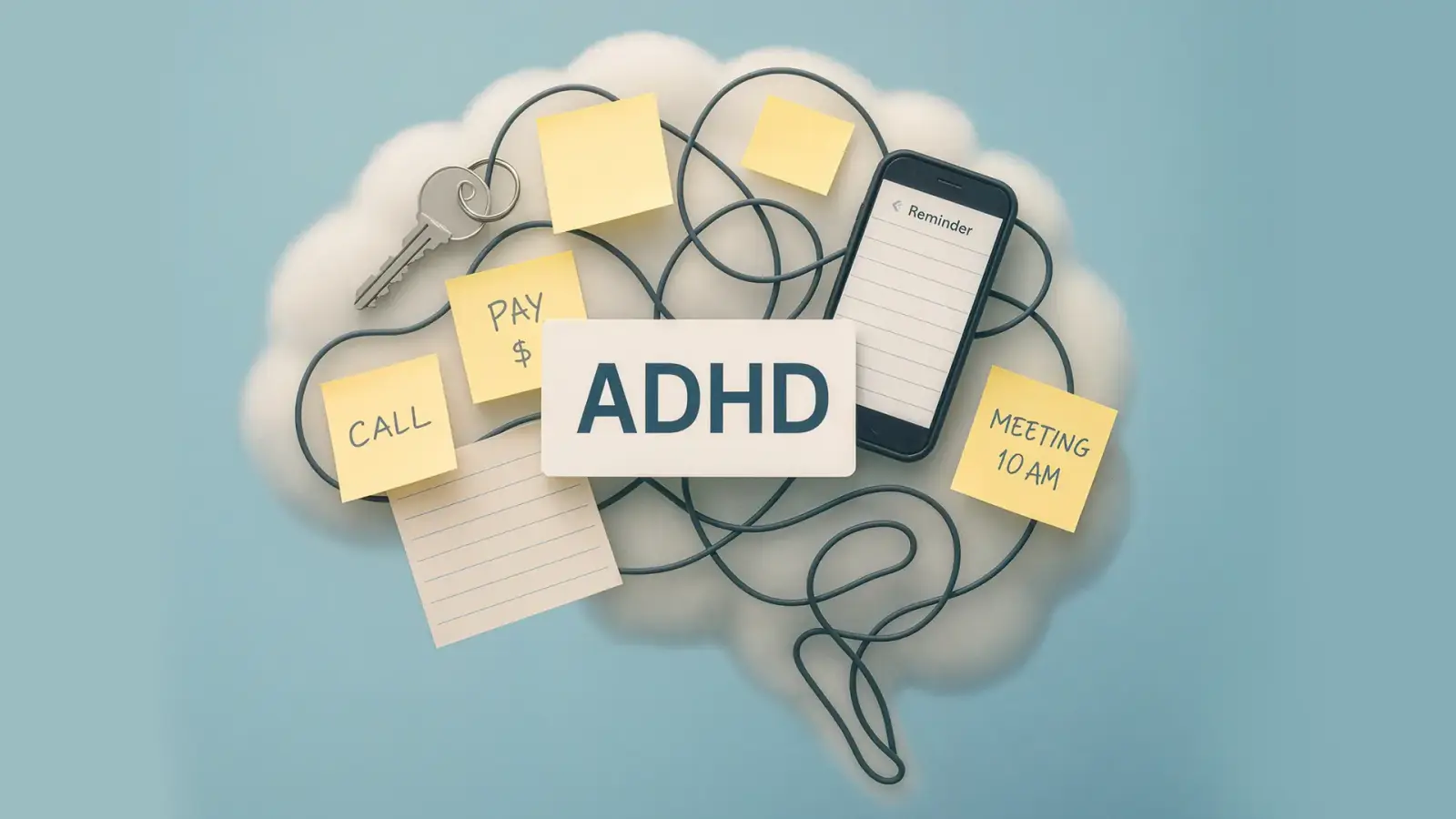
One of the common problems we hear is how long it can take to receive an ADHD assessment via the NHS. In addition, there is little post-assessment support for people who are diagnosed. In response to this problem an ADHD taskforce was commissioned by NHS England. The aim was to consider how services can ensure those with ADHD can access timely and effective support and live to their full potential. The key findings of a recently published report highlight how receiving a thorough ADHD assessment and access to post-assessment support can positively impact people’s lives and prevent secondary problems occurring. The full report can be accessed here but here are key takeaways.
Key findings:
- The task force found that many people wait years for an NHS ADHD assessment with some children waiting over 4 years, and some adults waiting over 8 years. At For-Psych we strive to provide assessment and support beyond a diagnosis in a timely manner, with assessments being offered within six weeks of referral, and feedback within 10 weeks.
- ADHD has been found to have a broad impact on people’s lives, and when unsupported can increase the likelihood of people struggling in school, being unemployed, ending up in the criminal justice system, experiencing mental health problems, substance misuse, or suicide, and experiencing physical illness.
The estimated cost to the UK is at least £17 billion a year, which can be avoided when people with ADHD are appropriately supported. To overcome this, support for ADHD and neurodivergence should begin early and should be based on needs – not just a diagnosis. At For-Psych, we are committed to providing timely assessments. We believe that this is more than a diagnosis, which is why we offer coaching, therapy and medication for people who want ongoing support catered to their needs. - Around 3-5% of the population have ADHD.
Whilst records show an increased recognition of ADHD in both children and adults between 2000 and 2018, prevalence rates have remained consistent over the years. This dispels the myth that more people have ADHD. However, it also means that whilst awareness is increasing, our services can’t keep up! At For-Psych we offer services to those wo cannot access NHS services, or do not want to wait. - ADHD frequently co-occurs with autism, other neurodevelopmental disorders, and mental health conditions.
For this reason, it is important that the person is assessed by an experienced practitioner who can consider other neurodevelopmental and mental health conditions alongside ADHD. All of our For-Psych psychologists are trained to assess a broad range of neurodevelopmental and mental health conditions. Our assessments involve a ‘differential diagnosis’ process, which means considering the potential impact of different conditions. - ADHD is continued to be under-recognised and under-supported in England, with less than one third of those who met the criteria for ADHD accessing mental health services, and 15-25% of adults and children obtaining medication despite strong supporting evidence of this benefitting people. Recent data shows under-treatment to be disproportionately higher for girls, women and minority groups.