The ‘Other Side’ of ADHD: Understanding the Secondary Symptoms
The ‘Other Side’ of ADHD: Understanding the Secondary Symptoms
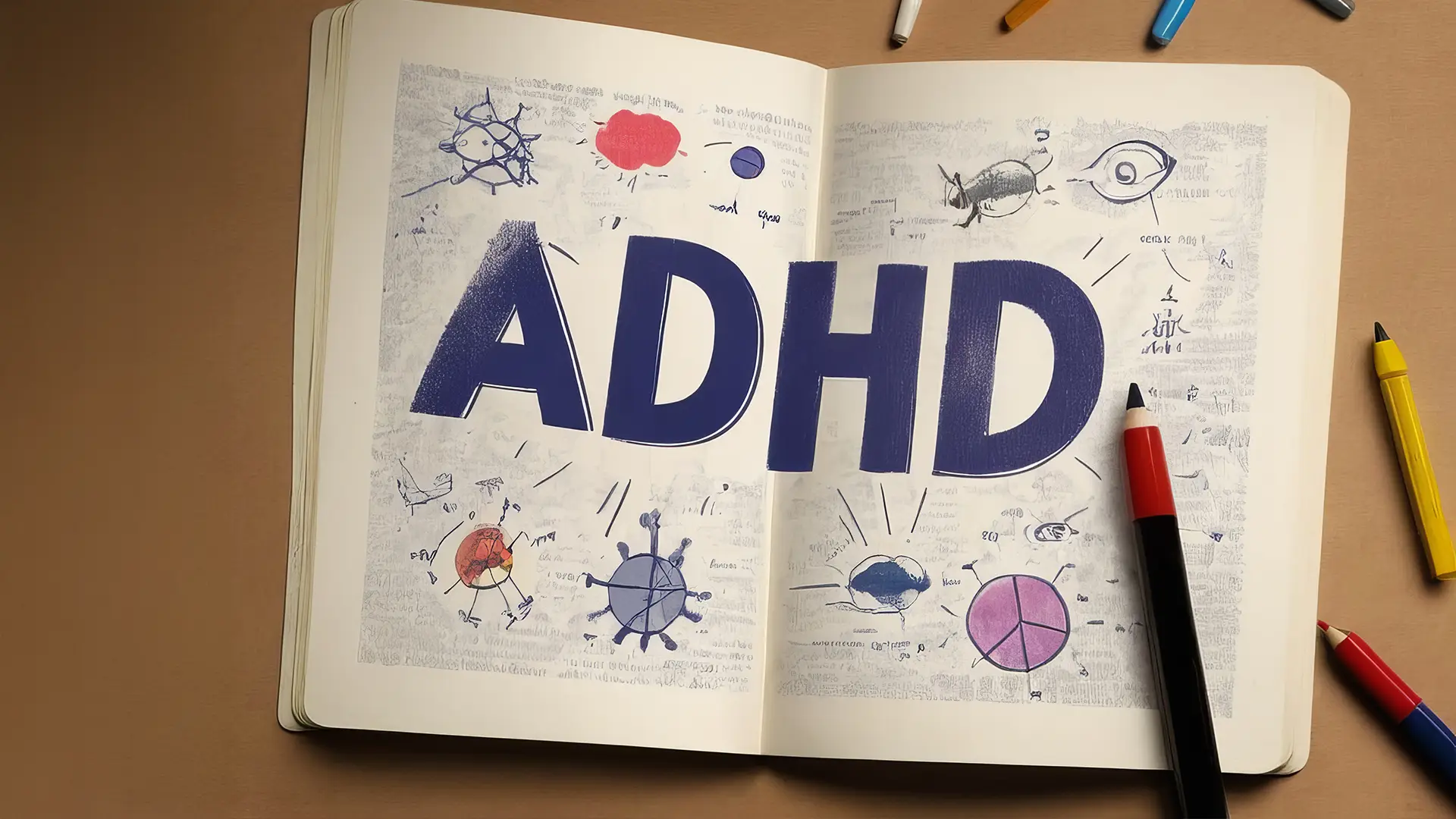
When people think of ADHD they often think of the classic symptoms; hyperactivity, inattention, and impulsivity. Whilst these make up the primary diagnostic criteria, anyone living with ADHD, or close to someone who is, will likely know there is often much more to the story.
Research, and our practitioner experience, tells us that no two people with ADHD will experience it in exactly the same way, and that almost every person with ADHD will at some point experience secondary symptoms. By this, we mean the additional challenges that may arise, either as a result of the primary symptoms, or due to the frustration of coping with them.
The ADHD diagnosis itself therefore fails to accurately represent the day-to-day experience of living with a brain that works differently to the people around you, and at For-Psych we appreciate how difficult this can be.
Below are some examples of the additional challenges a person with ADHD might encounter;
Emotional Dysregulation; Although not included in the official diagnostic criteria in the DSM-5, emotional dysregulation is a well-recognised difficulty for many with ADHD. This can involve frequent mood swings, low frustration tolerance, or feeling overwhelmed by emotions. Even small setbacks can trigger strong emotional responses, and abrupt changes or transitions may cause distress. This isn’t about just being “too sensitive”, it’s a real neurological difficulty in managing emotions.
Anxiety; Anxiety isn’t a direct symptom of ADHD either, but it’s commonly experienced by those who have it. This is possibly triggered by a pattern of overthinking, or worrying about forgetting things, missing important deadlines, or behaving differently to others. This is especially true for people with the inattentive type of ADHD, whose symptoms are often missed or misinterpreted until adulthood.
Low Self-Esteem and rejection sensitivity; There is an estimation that by the age of 12 a person with ADHD will have experienced 20,000 more negative comments directed at them than other children of the same age; “messy”, “lazy”, “underachieving”, or being “too much”. It is no wonder that these individuals might go on to develop a sensitivity to rejection. Or internalise this negative feedback and begin to doubt their self-worth or capabilities. This is despite the ADHD brain having many strengths, such as being highly creative, energetic, hyper-focused, or innovative - to name a few.
Sleep Disturbances; Sleep problems are common among people with ADHD. This may include difficulty falling asleep, waking during the night, or feeling unrefreshed in the morning. Unfortunately, poor sleep tends to amplify other ADHD symptoms too. Some researchers believe ADHD affects the body’s internal clock, making people naturally more alert at night. Others point to overthinking or sensory overstimulation. Regardless, addressing sleep is often a key part of ADHD management.
Relationship Challenges; Whether in friendships, romantic relationships, or at work, ADHD can present social difficulties. Interrupting others, zoning out in conversation, or forgetting important details can all lead to tension or misunderstandings. Yet, people with ADHD are often deeply empathetic, loyal, and passionate.
At For-Psych we believe that people with ADHD can thrive when they are supported to understand the full scope, and not just the classic symptoms. Treatment approaches that combine medication, therapy, coaching, and lifestyle support tend to be most effective when they take these secondary symptoms into account. That’s why we offer a comprehensive assessment paired with a follow-up session. The focus here is on empowering the individual to understand what having ADHD actually means for them, as a whole person.
For those who want ongoing support, we also offer additional coaching sessions or therapy. Here the focus will be on strategies to support emotional wellbeing more holistically, not just attention issues.
© 2026 For-Psych Ltd Company no. 08963602 Registered in England & Wales | Privacy Policy | Terms & Conditions